
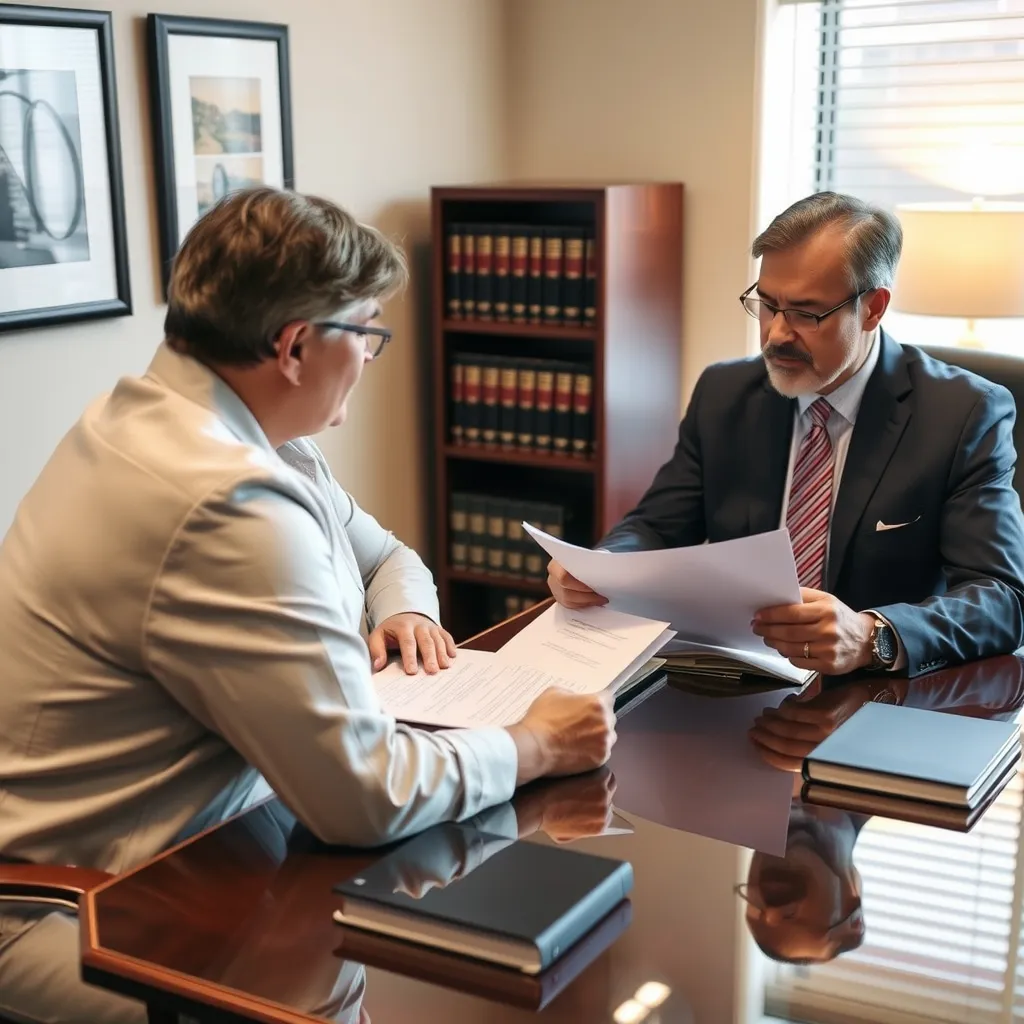
Product Liability Lawyer Alexandria, VA
A defective product can cause devastating injuries. If you or a family member suffered harm in Alexandria, Virginia, because of an unsafe consumer product, industrial machine, medical device, or any other dangerously designed or manufactured item, you may have a right to compensation from the manufacturer, distributor, or retailer. At Law Offices Of SRIS, P.C., we represent injured individuals throughout the Alexandria area in product liability claims, guiding them through Virginia’s strict liability laws and the obstacles created by the Commonwealth’s contributory negligence rule. Our firm works to hold responsible parties accountable and to pursue recovery for medical expenses, lost wages, pain and suffering, and other damages. To discuss your situation with an experienced attorney, call (888) 437-7747.
What Product Liability Means in Alexandria
Product liability is the legal obligation of those who design, manufacture, distribute, or sell a defective product to compensate individuals who are injured as a result. Virginia law recognizes several theories of liability, including strict liability for defective products under Va. Code § 8.01-223. Under a strict liability approach, an injury victim does not need to prove that the defendant was negligent; it may be enough to show that the product was unreasonably dangerous and caused injury when used as intended.
In Alexandria, product liability claims are generally brought in the Alexandria Circuit Court if the amount in controversy exceeds the applicable jurisdictional amount, or in the Alexandria General District Court for claims of a more modest size. The court at 520 King Street, 2nd Floor, Alexandria, VA 22320 serves the independent city and surrounding communities. However, regardless of the court, every person pursuing a claim must be mindful of Virginia’s strict deadlines.
In Virginia, personal injury claims, including product liability cases, must be filed within two years from the date of injury (Va. Code § 8.01-243(A)).
Source: Va. Code § 8.01-243. Virginia Code § 8.01-243
Reviewed by Mr. Sris, admitted in VA/MD/DC/NJ/NY.
Virginia also remains one of only a handful of states that apply the pure contributory negligence doctrine. This means that if an injured person is found even 1% at fault for the accident, they may be completely barred from recovering any compensation. In a product liability case, a defendant might argue that the user misused the product or ignored warning labels. That is why preserving evidence, identifying all potentially responsible parties, and building a thorough record from the earliest stages of a case are critical. Our firm has substantial experience evaluating these issues and pursuing claims for Alexandria residents who have been injured by defective products.
How Mr. Sris and His Of Counsel Handle Product Liability Cases
Law Offices Of SRIS, P.C. brings together an Owner who is a former prosecutor and a group of dedicated Of Counsel attorneys, all of whom have extensive experience handling personal injury litigation, including product liability claims. When a potential case is brought to us, we begin with a careful examination of the facts—how the injury occurred, what product was involved, and what evidence is available. We then identify the viable defendants, which may include the manufacturer, the component-part supplier, the wholesaler, or the retail seller.
Our team gathers and preserves evidence such as the defective product itself, packaging, warnings and instructions, medical records, and any reports from consumer safety agencies. If necessary, we engage qualified attorneys—engineers, materials scientists, and other attorney—to analyze the design, manufacturing process, or adequacy of warnings. We then present a pre-suit demand to the responsible parties and their insurers. Many product liability claims resolve through negotiation, but if a fair settlement offer is not forthcoming, we are prepared to take the case to trial in an Alexandria courtroom. Throughout the process, we work vigorously to advance our clients’ interests while keeping them informed of developments in their case. For a consultation about your potential product liability claim, call (888) 437-7747.
About Mr. Sris and the Firm’s Of Counsel Attorneys
Mr. Sris, Owner and Founder of Law Offices Of SRIS, P.C., launched the firm in 1997. A former prosecutor, he draws on his thorough understanding of civil litigation and the legal process to guide product liability claims from investigation through resolution. He is admitted to practice in all five of the firm’s jurisdictions—Virginia, Maryland, the District of Columbia, New Jersey, and New York—and personally oversees the firm’s personal injury practice.
The firm’s Of Counsel attorneys complement Mr. Sris’s experience with diverse legal backgrounds, bringing substantial collective insight to product liability matters. Because every attorney who handles personal injury cases at the firm works as Of Counsel—there are no associates or partners—each client receives the attention of an experienced professional. Together, Mr. Sris and the firm’s Of Counsel attorneys have helped many individuals and families navigate the complexities of product defect litigation. They appear regularly in Alexandria courts and are familiar with the procedural expectations of the Eighteenth Judicial District.
Frequently Asked Questions
What is product liability in Virginia?
Product liability is the area of law that holds manufacturers, distributors, and sellers responsible for injuries caused by defective products. Virginia recognizes claims based on manufacturing defects, design defects, and failure to provide adequate warnings or instructions. Under Va. Code § 8.01-223, a manufacturer or seller may be held strictly liable for a defective product that is unreasonably dangerous, even if they were not negligent. A successful claim requires proof that the product was defective when it left the defendant’s control and that the defect caused the injury.
How does Virginia’s contributory negligence rule affect a product liability claim?
Virginia’s pure contributory negligence rule can bar an injured person’s recovery completely if they are found even slightly at fault. In a product liability case, the defense may argue that the user misused the product, ignored safety warnings, or otherwise contributed to the accident. Because of this harsh rule, it is vital to work with a lawyer who can anticipate those arguments and build a solid record showing that the defect—not the user’s conduct—caused the injury. Our firm understands how contributory negligence issues are litigated in Alexandria courts.
What damages can I recover in a product liability case in Alexandria?
You may be entitled to compensation for economic damages such as medical bills and lost income, as well as non-economic damages for pain and suffering. In Virginia, there is no cap on compensatory damages in most product liability cases, though punitive damages are capped by statute under Va. Code § 8.01-38.1. Each case is unique, and the amount of recovery depends on the severity of the injury, the strength of the evidence, and the insurance coverage available. Our firm can evaluate the potential value of your claim during a confidential consultation.
How long do I have to file a product liability lawsuit in Virginia?
You generally have two years from the date of the injury to file a personal injury lawsuit in Virginia, including a product liability claim. This deadline is set by Va. Code § 8.01-243(A). If you miss the two-year window, your claim will likely be forever barred. It is important to speak with an attorney as soon as possible after an injury so that important evidence can be preserved and the claim prepared in time. Contact Law Offices Of SRIS, P.C. at (888) 437-7747 to discuss the timeline that applies to your case.
Do I need a lawyer for a product defect injury in Alexandria?
While you are not legally required to hire a lawyer, product liability claims are factually and legally complex, and having experienced counsel can significantly affect the outcome. Proving a design or manufacturing defect often requires expert testimony, and dealing with large manufacturers and their insurers can be overwhelming for an individual. An attorney can handle the investigation, ensure that all necessary evidence is collected, and advocate on your behalf with the goal of obtaining full compensation. For a discussion of your case with no obligation, call (888) 437-7747.
What types of defects can support a product liability claim?
Actionable defects generally fall into three categories: manufacturing defects, design defects, and failures to warn. A manufacturing defect occurs when a single item is made incorrectly, deviating from the intended design. A design defect means the entire product line is unreasonably dangerous even when manufactured correctly. A failure-to-warn claim arises when a product lacks adequate instructions or safety warnings about known risks. In Virginia, any of these defect types can form the basis of a valid product liability lawsuit.
Our firm also represents personal injury clients in other Virginia localities: Fairfax County, Fairfax City, Prince William County, and Manassas City.
Resources: Virginia Code Title 8.01 (Personal Injury & Torts) • Alexandria Circuit Court
Attorney advertising. Prior results do not guarantee a similar outcome. Results may vary.
Case results depend on a variety of factors unique to each case.