
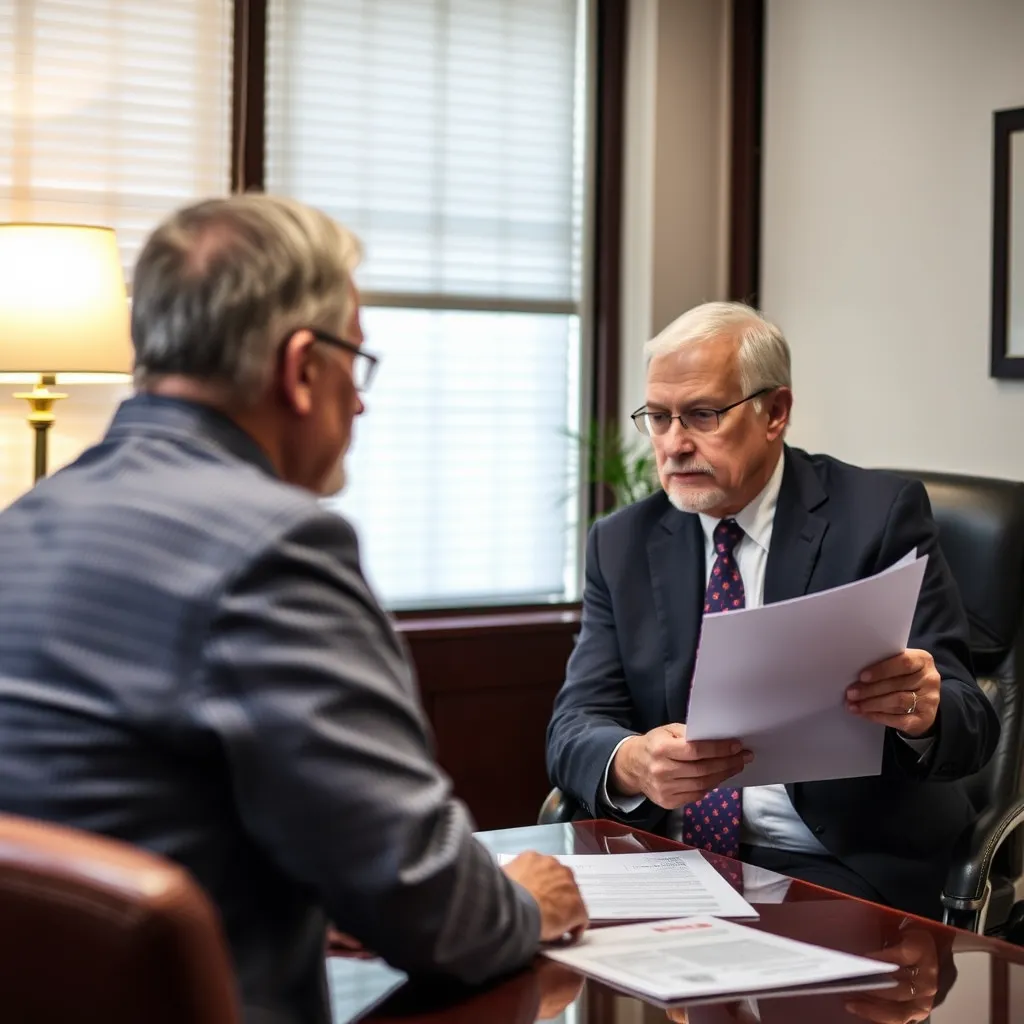
Nursing Home Neglect Lawyer Fairfax, VA
Nursing home neglect is a serious personal injury matter. When a Fairfax facility fails to provide adequate care—whether through understaffing, poor training, or indifference—residents suffer preventable harm. Law Offices Of SRIS, P.C. represents families whose loved ones have experienced neglect in Fairfax County, Fairfax City, and throughout Northern Virginia. Virginia follows a pure contributory negligence rule: if the injured party is found even one percent at fault, recovery is barred entirely. This makes experienced representation an essential part of protecting your rights. Claims must be brought within the applicable statute of limitations. Mr. Sris, Owner and Founder of the firm, and the firm’s Of Counsel attorneys work to hold facilities accountable and pursue compensation for medical expenses, pain, and the diminished quality of life that neglect causes. To discuss a potential case, reach Law Offices Of SRIS, P.C. at (888) 437-7747 to request a consultation. Law Offices Of SRIS, P.C. – Advocacy Without Borders.
Understanding Nursing Home Neglect in Fairfax, Virginia
Nursing home neglect occurs when a facility fails to meet the basic needs of a resident—such as nutrition, hydration, hygiene, medication management, or protection from falls and infection. Under Virginia law, nursing homes are required to provide a level of care that promotes the resident’s well-being. In Fairfax, mistreatment may happen in skilled-nursing centers, assisted-living communities, or memory-care units. Common warning signs include unexplained weight loss, pressure sores, soiled bedding, repeated infections, and emotional withdrawal. Because many residents cannot advocate for themselves, family members often uncover the neglect. When a family suspects that a Fairfax facility’s conduct has crossed into actionable neglect, a claim may be pursued in the appropriate trial court—most often the Fairfax County Circuit Court at 4110 Chain Bridge Road or, for smaller amounts, the Fairfax County General District Court. Law Offices Of SRIS, P.C. helps families review medical records, interview witnesses, and build the evidence needed to show that the facility’s failures caused harm.
Virginia applies the traditional tort doctrine of contributory negligence, making it one of only a handful of states where any degree of fault by the injured person bars a damage award. In a nursing home neglect case, the defense may argue that the resident’s own conduct—such as refusing assistance—contributed to the injury. An attorney investigating the claim will work to counter such arguments and focus the inquiry on the facility’s duty of care and the specific failures that led to the resident’s decline. Law Offices Of SRIS, P.C. brings experience handling personal injury claims across Northern Virginia, including in Fairfax, Burke, Centreville, Chantilly, Herndon, Reston, McLean, Vienna, Tysons, Oakton, Springfield, Annandale, and the surrounding area.
Frequently Asked Questions
What constitutes nursing home neglect under Virginia law?
Nursing home neglect in Virginia is a facility’s failure to provide reasonable care that results in injury or a decline in a resident’s health. Neglect can include inadequate supervision, medication errors, malnutrition, dehydration, failure to prevent bedsores, or failure to assist with daily living activities. Virginia Code § 32.1-138 sets forth patient rights that nursing homes must honor, including the right to be free from neglect. When a facility’s conduct falls below the accepted standard of care, it may be liable for damages. An attorney can help determine whether the facility’s policies. Staffing patterns, or individual actions contributed to the neglect.
What are the warning signs of nursing home neglect in a Fairfax facility?
Warning signs include unexplained bruises, bedsores, sudden weight loss, poor hygiene, untreated infections, and changes in the resident’s mood or behavior. A resident who appears withdrawn or fearful may be experiencing neglect. Family members who visit regularly are often the first to notice that a loved one is not receiving adequate meals, fluids, or personal care. In Fairfax County and Fairfax City, multiple agencies regulate facilities, but internal records may be incomplete. An attorney can help families obtain facility records and document the signs of neglect.
How long do I have to file a nursing home neglect lawsuit in Virginia?
In Virginia, a claim for personal injury, including nursing home neglect, must be filed within two years from the date the injury occurred. The statute of limitations is established by Va. Code § 8.01-243(A). If the claim is not filed within that two-year window, it is permanently barred. Wrongful-death claims, which may arise from fatal neglect, also carry a two-year period from the date of death under Va. Code § 8.01-244. Because the deadline is strict, prompt action is important to preserve evidence and identify all responsible parties.
What is contributory negligence and how does it affect a Fairfax nursing home neglect case?
Virginia is a contributory-negligence state, meaning that if the injured party is found even slightly at fault, the claim for damages is barred. This is one of the most restrictive liability rules in the country. In a nursing home neglect lawsuit, the defense may try to argue that the resident’s own actions—refusing to eat, failing to ask for help, or pulling on a call light—caused the injury. An attorney representing the family will investigate the facility’s protocols and the timeline of care to show that the staff’s failures, not the resident’s actions, were the primary cause of the harm.
Should I report suspected nursing home neglect in Fairfax County?
Yes, suspected neglect should be reported to Virginia Adult Protective Services and to the facility’s administrator, but legal action is separate and may be necessary to recover compensation. Adult Protective Services investigates allegations of abuse, neglect, and exploitation. Making a report creates an official record and can lead to corrective measures. However, a protective-services investigation does not provide a financial remedy for the injured resident. A personal injury claim seeks to recover the economic and non-economic damages the resident suffered because of the neglect.
Can I sue a nursing home for neglect in Fairfax, Virginia?
Yes, a family member or legal representative can sue a Fairfax-area nursing home when neglect causes injury or death. The lawsuit is typically filed as a medical-malpractice or general-negligence action, depending on the nature of the conduct. Virginia requires a certificate of merit from a qualified experienced attorney before a medical-malpractice case proceeds. Law Offices Of SRIS, P.C. works with medical experts to evaluate whether the facility’s care fell below the standard and whether that failure caused the resident’s harm.
What damages can I recover in a nursing home neglect claim?
Compensatory damages may include medical expenses, the cost of relocating the resident, pain and suffering, emotional distress, and, in a wrongful-death case, the family’s grief and loss of financial support. Virginia caps punitive damages under Va. Code § 8.01-38.1, but there is no cap on general compensatory damages in most personal injury actions. Every case is different, and the value depends on the severity of the neglect, the duration of the harm, and the effect on the resident’s life. Results may vary.
How do I choose a nursing home neglect lawyer in Fairfax?
Look for an attorney with experience handling personal injury claims in the Northern Virginia court system and a record of nursing home litigation. Virginia’s contributory-negligence standard and the two-year statute of limitations make early investigation and experienced trial preparation essential. The firm’s Fairfax location serves clients throughout the county and city. Law Offices Of SRIS, P.C. offers consultations by appointment at the Fairfax location and can be reached during business hours at (888) 437-7747.
What does a nursing home neglect lawyer do?
The lawyer gathers evidence, consults medical experts, identifies all liable parties, calculates damages, and negotiates with insurers or takes the case to trial. In a Fairfax neglect matter, the attorney will obtain the resident’s facility records, interview staff and family, and review staff-to-resident ratios and agency citations. The lawyer handles all phases of litigation, including filing the complaint in the Fairfax County Circuit Court, conducting discovery, and presenting the case at trial if a settlement cannot be reached.
How much does it cost to hire a nursing home neglect lawyer?
Most nursing home neglect claims are handled on a contingency-fee basis, meaning the attorney receives a percentage of the recovery only if the case is successful. There are no upfront legal fees. The exact percentage is set out in a fee agreement and varies by case. During an initial consultation, the attorney will explain the fee structure and any potential costs associated with litigation, such as filing fees or expert witness charges. To discuss your situation with Mr. Sris and the firm’s Of Counsel attorneys, call (888) 437-7747.
About Mr. Sris and the Firm’s Of Counsel Attorneys
Law Offices Of SRIS, P.C. was founded in 1997 by Mr. Sris, Owner and Founder. Mr. Sris is a former prosecutor who now focuses the firm’s practice on personal injury litigation, including nursing home neglect claims across Virginia. The firm’s Of Counsel attorneys bring extensive experience in civil litigation and work with Mr. Sris to investigate and pursue neglect claims. With a Fairfax location, the firm appears in courts throughout Northern Virginia, including the Fairfax County Circuit Court and the Fairfax City General District Court. The team works to hold facilities accountable for the harm caused by neglect.
Contact Law Offices Of SRIS, P.C. at (888) 437-7747 to request a consultation. The firm’s Fairfax location is at 4008 Williamsburg Court, Fairfax, VA 22032, and appointments are available by call. Results may vary.
Virginia Legal Resources
For more information on Virginia personal injury law, visit the Virginia Code Title 8.01 (Civil Remedies and Procedure). Court information for the Fairfax County Circuit Court is available on the Virginia Judicial System website.
Attorney advertising. Prior results do not guarantee a similar outcome.
Case results depend on a variety of factors unique to each case.