
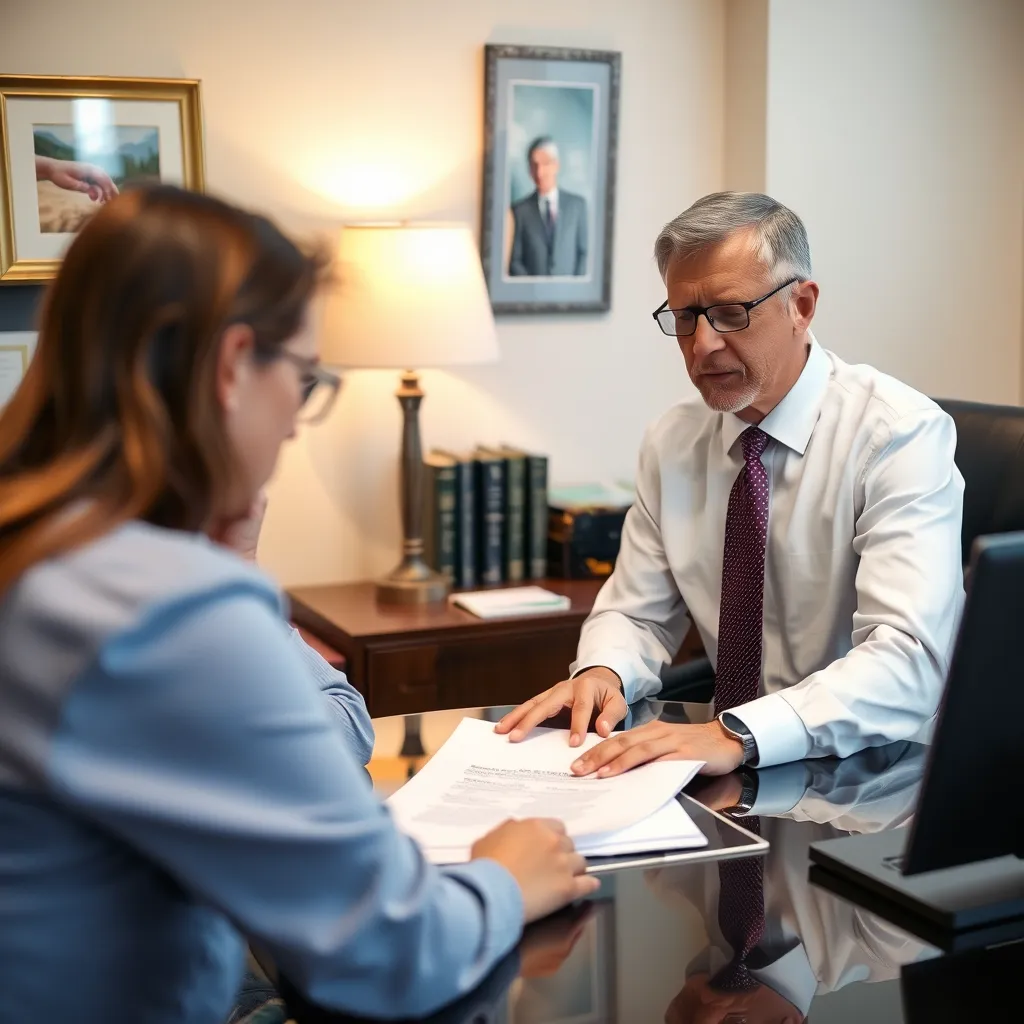
Note: This article is confirmed by Law Offices Of SRIS, P.C.
WRITTEN BY: Mr. Sris
Since 1997, Mr. Sris has led the firm, focusing on the most challenging criminal and family law cases… His background in accounting and information management aids in financial and technology-related cases… Involved in significant legislative changes in Virginia.
Insight: My focus since founding the firm in 1997 has always been directed towards personally handling the most challenging and involved criminal and family law matters our clients face.
Insight: I find my background in accounting and information management provides a unique advantage when handling the intricate financial and technological aspects inherent in many modern legal cases.
Insight: As someone deeply involved in the community, I believe it’s important to not only practice law but also to actively participate in shaping it, which is why I dedicated effort towards amending Virginia Code § 20-107.3 and achieving state recognition for cultural milestones.
Loss of Consortium Lawyer Caroline VA
What is Loss of Consortium
Loss of consortium represents a distinct category of damages in personal injury law. When one spouse suffers serious injury due to another party’s negligence, the uninjured spouse may file a claim for loss of consortium. This legal concept acknowledges that injuries affect not only the injured person but also their closest relationships.
Virginia law recognizes loss of consortium as a valid claim for damages. The legal basis stems from the understanding that marriage involves mutual rights to companionship, affection, and support. When these elements are diminished due to injury, the law provides a mechanism for compensation. Claims typically accompany personal injury lawsuits where the injured spouse seeks damages for medical expenses, lost wages, and pain and suffering.
Documenting loss of consortium requires careful attention to how injuries affect the marital relationship. Changes in emotional connection, physical intimacy, shared activities, and household responsibilities all contribute to these claims. Medical records, therapy notes, and personal testimony help establish the extent of relationship damages. The legal process involves demonstrating how the injury has altered the fundamental aspects of the marriage.
Legal representation plays a vital role in loss of consortium claims. Experienced attorneys understand how to present relationship damages effectively. They work with families to document changes in marital dynamics and calculate appropriate compensation. The goal is to address the full impact of injuries on family life.
How to File Loss of Consortium Claims
The process for filing loss of consortium claims follows established legal procedures in Virginia. These claims must accompany the injured spouse’s personal injury lawsuit. The first step involves thorough documentation of how the injury has affected the marital relationship. This includes changes in emotional support, physical intimacy, shared activities, and household responsibilities.
Timing represents a important consideration in loss of consortium claims. Virginia’s statute of limitations typically allows two years from the date of injury for personal injury claims. Loss of consortium claims must be filed within this same timeframe. Missing deadlines can result in losing the right to seek compensation for relationship damages.
Evidence collection forms the foundation of successful claims. Medical records documenting the extent of injuries provide essential context. Personal journals, photographs, and testimony from family and friends help illustrate relationship changes. Documentation of counseling or therapy related to marital strain adds weight to claims. Financial records showing changes in household management also support compensation requests.
Legal strategy development addresses the specific circumstances of each case. Attorneys evaluate the strength of evidence and determine appropriate compensation amounts. They consider factors like the duration and quality of the marriage before injury, the extent of relationship changes, and the prognosis for recovery. Settlement negotiations often involve discussions about both economic and non-economic damages.
Court proceedings follow standard personal injury litigation processes. Loss of consortium claims are presented alongside other damages. Testimony from both spouses, medical professionals, and relationship attorneys may be required. The goal is to demonstrate the tangible impact of injuries on marital happiness and functioning.
Can I Claim Loss of Companionship Damages
Virginia law permits loss of companionship claims for married individuals when their spouse suffers serious injury. These damages address the non-economic aspects of marital relationships affected by accidents or negligence. The legal system recognizes that injuries can diminish the quality of companionship between spouses.
Eligibility requirements focus on legal marriage status and injury impact. Only legally married spouses can file loss of companionship claims in Virginia. The injury must be significant enough to substantially affect the marital relationship. Temporary minor injuries typically don’t qualify for these damages. The relationship changes must be documented and substantial.
Documentation requirements involve demonstrating specific relationship alterations. Evidence may include changes in communication patterns, reduced shared activities, diminished emotional support, and altered physical intimacy. Medical records establish injury severity and prognosis. Personal testimony from both spouses provides insight into relationship dynamics before and after injury.
Compensation calculations consider multiple factors. The duration and quality of marriage before injury influence damage amounts. The extent of relationship changes and potential for recovery affect valuation. Virginia courts consider both economic and non-economic aspects when determining appropriate compensation. Settlement negotiations often involve detailed discussions about relationship impacts.
Legal representation helps handle claim requirements. Attorneys assist with evidence collection, documentation organization, and claim presentation. They understand how to demonstrate relationship damages effectively within Virginia’s legal framework. Professional guidance increases the likelihood of successful compensation recovery.
Why Hire Legal Help for Loss of Consortium Claims
Professional legal assistance offers significant advantages for loss of consortium claims. These cases involve specific legal requirements that differ from standard personal injury claims. Attorneys with experience in relationship damage cases understand how to present evidence effectively and handle Virginia’s legal system.
Documentation guidance represents a key benefit of legal representation. Loss of consortium claims require specific evidence of relationship changes. Attorneys help families identify and document relevant aspects of marital dynamics. They provide direction on what evidence carries weight in legal proceedings. This includes guidance on personal journals, medical records, and testimony preparation.
Legal strategy development addresses the unique aspects of each case. Experienced attorneys evaluate the strength of relationship damage claims alongside personal injury elements. They develop approaches that maximize compensation while addressing Virginia’s legal standards. This includes determining appropriate damage amounts and negotiation strategies.
Procedural knowledge ensures compliance with legal requirements. Loss of consortium claims must follow specific filing procedures and deadlines. Attorneys manage paperwork, court filings, and communication with insurance companies. They handle the administrative aspects while families focus on recovery and relationship adjustment.
Negotiation and litigation skills impact claim outcomes. Insurance companies often challenge relationship damage claims. Attorneys with experience in these cases understand how to counter resistance and advocate effectively. They prepare for potential litigation while pursuing fair settlements. Court representation becomes essential if cases proceed to trial.
Emotional support during legal processes provides additional value. Loss of consortium claims involve personal relationship matters. Attorneys approach these cases with sensitivity while maintaining professional advocacy. They help families manage the stress of legal proceedings while seeking compensation for relationship damages.
FAQ:
What is loss of consortium?
Loss of consortium refers to legal claims for damages when injuries affect marital relationships. These address loss of companionship and support between spouses.
Who can file loss of consortium claims?
Only legally married spouses can file these claims in Virginia. The injury must significantly affect the marital relationship.
What damages can be recovered?
Compensation addresses loss of companionship, affection, and support. Damages cover both economic and non-economic relationship impacts.
How long do I have to file?
Virginia typically allows two years from injury date. Loss of consortium claims must accompany personal injury lawsuits.
What evidence is needed?
Documentation includes medical records, personal testimony, and evidence of relationship changes. Documentation shows how injuries affect marital dynamics.
Can unmarried partners file claims?
Virginia law generally requires legal marriage for loss of consortium claims. Unmarried partners have limited options for relationship damages.
How are damages calculated?
Factors include marriage duration, relationship quality, and injury impact. Courts consider both economic and non-economic aspects.
Do I need separate legal representation?
The same attorney typically handles both personal injury and loss of consortium claims. Coordination ensures consistent legal strategy.
What if my spouse partially recovers?
Partial recovery may reduce but not eliminate claims. Documentation should show ongoing relationship impacts despite improvement.
Can claims be filed after divorce?
Generally no, claims require marriage at injury time and filing. Divorce before filing may affect eligibility.
What if the injury was my spouse’s fault?
Virginia’s contributory negligence rules may apply. Legal advice helps determine claim viability in these situations.
How long do cases typically take?
Timing varies by case challenge and court schedules. Most claims resolve within months to a few years.
Past results do not predict future outcomes