
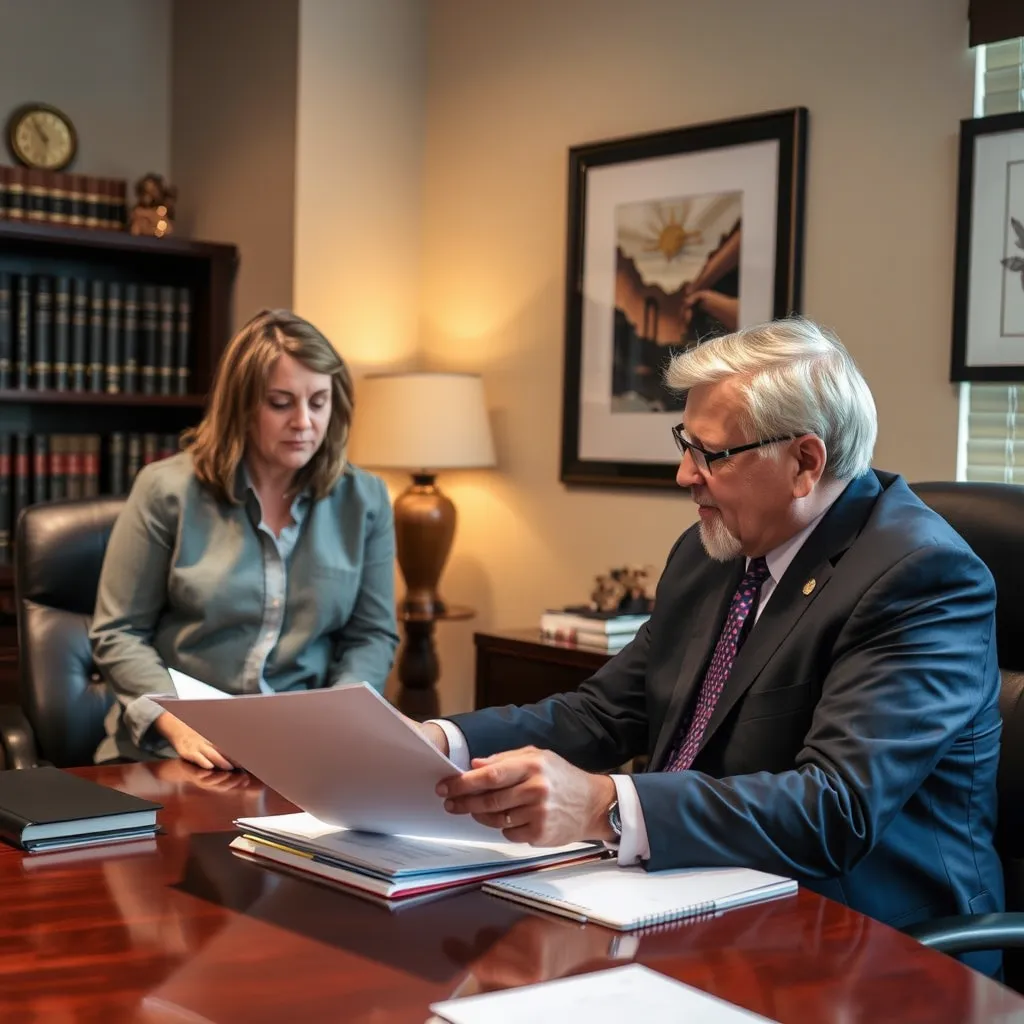
Note: This article is confirmed by Law Offices Of SRIS, P.C.
WRITTEN BY: Mr. Sris
Since 1997, Mr. Sris has led the firm, focusing on the most challenging criminal and family law cases… His background in accounting and information management aids in financial and technology-related cases… Involved in significant legislative changes in Virginia.
Insight: My focus since founding the firm in 1997 has always been directed towards personally handling the most challenging and involved criminal and family law matters our clients face.
Insight: I find my background in accounting and information management provides a unique advantage when handling the intricate financial and technological aspects inherent in many modern legal cases.
Insight: As someone deeply involved in the community, I believe it’s important to not only practice law but also to actively participate in shaping it, which is why I dedicated effort towards amending Virginia Code § 20-107.3 and achieving state recognition for cultural milestones.
Catastrophic Injury Lawyer Albemarle VA
What is catastrophic injury law
Catastrophic injury law addresses injuries that cause permanent disability or require long-term medical care. These injuries significantly affect daily living and future capabilities. The legal framework considers the substantial financial burden these injuries create. Medical expenses can accumulate quickly, including emergency care, surgeries, rehabilitation, and ongoing treatment. Lost income from inability to work adds to the financial strain. Future care needs must be calculated accurately.
The legal process begins with evaluating the injury’s severity and impact. Medical documentation establishes the extent of injuries and required treatments. Evidence collection includes accident reports, witness statements, and attorney opinions. Insurance claims must address both current and future expenses. Negotiations with insurance companies require understanding policy limits and coverage details. Settlement discussions consider long-term financial needs.
Legal strategies focus on establishing liability and demonstrating injury consequences. Documentation of medical treatments and rehabilitation progress is essential. attorney testimony from medical professionals helps explain injury severity. Economic damages include medical bills, lost wages, and future care costs. Non-economic damages address pain, suffering, and reduced quality of life. Structured settlements may provide ongoing financial support.
Professional guidance helps families understand their rights and options. Legal representation manages communication with insurance companies and opposing parties. Case preparation involves organizing medical records and financial documents. Trial preparation may be necessary if settlements cannot be reached. Court proceedings require presenting evidence clearly and persuasively. Legal teams work to secure fair compensation for all damages.
How to handle severe injury claims
Immediate medical attention is the first priority after a severe injury. Medical records establish the injury’s severity and required treatments. Documentation should include emergency room visits, hospital stays, surgeries, and follow-up appointments. Preserving evidence from the accident scene helps establish what happened. Photographs of the location, vehicles, or conditions can be valuable. Witness statements provide additional perspectives on the incident.
Contacting legal representation early helps protect your rights. Legal teams can advise on communications with insurance companies. Insurance adjusters may contact you quickly after an accident. Having representation ensures proper handling of these communications. Documentation of all medical treatments and expenses is essential. Keep records of hospital bills, prescription costs, and rehabilitation expenses. Lost income documentation includes pay stubs and employer verification.
The claims process involves submitting detailed documentation to insurance companies. Medical records must demonstrate injury severity and treatment necessity. attorney medical opinions may be required for involved injuries. Economic damages calculations include current and future medical expenses. Future care needs require medical projections and cost estimates. Lost earning capacity considers career impact and reduced work ability.
Negotiation with insurance companies requires understanding policy limits. Insurance representatives may offer quick settlements that don’t cover long-term needs. Legal representation helps evaluate settlement offers appropriately. Mediation or arbitration may resolve disputes without court proceedings. Trial preparation begins if settlements cannot be reached. Court presentations require clear evidence organization and persuasive arguments.
Can I pursue compensation for life-changing injuries
Compensation for life-changing injuries includes several categories of damages. Economic damages cover tangible financial losses from the injury. Medical expenses include emergency care, hospital stays, surgeries, medications, and rehabilitation. Future medical costs account for ongoing treatments and care needs. Lost income addresses wages lost during recovery and reduced earning capacity. Home modification costs may be necessary for accessibility.
Non-economic damages address intangible losses from the injury. Pain and suffering compensation recognizes physical discomfort and emotional distress. Loss of enjoyment of life considers reduced ability to participate in activities. Emotional trauma includes anxiety, depression, and psychological impacts. Loss of consortium addresses effects on family relationships. These damages require careful evaluation and presentation.
Establishing liability is essential for compensation claims. Evidence must show another party’s responsibility for the injury. Negligence claims require demonstrating duty, breach, causation, and damages. Documentation includes accident reports, witness statements, and attorney opinions. Medical records establish injury severity and required treatments. Financial records document economic losses and future needs.
The legal process involves calculating appropriate compensation amounts. Economic damages are calculated based on actual expenses and projections. Non-economic damages consider injury severity and impact on daily life. Settlement negotiations aim to reach fair compensation agreements. Court proceedings may be necessary if settlements cannot be reached. Jury decisions consider evidence presentation and legal arguments.
Why hire legal help for severe injury cases
Severe injury cases involve involved legal and medical considerations. Legal representation provides guidance through insurance claim processes. Insurance companies have teams working to minimize payouts. Having professional representation levels the playing field. Attorneys understand policy language, coverage limits, and claim requirements. They manage communications with insurance adjusters and defense counsel.
Medical documentation requires proper organization and presentation. Legal teams work with medical professionals to document injury severity. They obtain medical records, treatment plans, and attorney opinions. Damage calculations consider both current and future expenses. Economic projections account for long-term care needs and reduced earning capacity. Non-economic damages require careful evaluation and argument.
Evidence gathering is systematic and thorough. Accident scene investigation preserves important details. Witness interviews provide additional perspectives. attorney consultations help explain technical or medical aspects. Document organization creates clear presentations for negotiations or trial. Legal strategies consider settlement options and litigation preparedness.
Negotiation skills are essential for reaching fair settlements. Attorneys evaluate settlement offers based on comprehensive damage assessments. They negotiate with insurance representatives to secure appropriate compensation. Mediation or arbitration may resolve disputes efficiently. Trial preparation ensures readiness if settlements cannot be reached. Court presentations require clear evidence organization and persuasive arguments.
FAQ:
What qualifies as a catastrophic injury?
Injuries causing permanent disability or requiring long-term medical care. These include spinal cord damage, traumatic brain injuries, severe burns, or multiple fractures.
How long do I have to file a claim?
Virginia has specific time limits for injury claims. Contact legal representation promptly to ensure deadlines are met.
What compensation can I seek?
Medical expenses, lost income, future care costs, pain, suffering, and reduced quality of life. Each case has unique damage calculations.
How are future medical costs calculated?
Medical attorneys provide projections based on injury severity and required treatments. Calculations consider lifelong care needs.
What if the insurance company denies my claim?
Legal representation can appeal denials and pursue alternative options. This may involve negotiations or legal proceedings.
How long does the process take?
Timelines vary based on injury challenge and claim details. Some cases settle quickly; others require extended negotiations or trial.
What evidence is important?
Medical records, accident reports, witness statements, photographs, and attorney opinions. Documentation should be thorough and organized.
Can I handle the claim myself?
While possible, severe injury claims involve involved processes. Professional guidance helps secure appropriate compensation.
What costs are involved in hiring an attorney?
Many attorneys work on contingency fees. This means payment comes from settlement or award amounts.
How do I choose the right attorney?
Consider experience with severe injury cases, resources, and communication style. Initial consultations help evaluate fit.
What if multiple parties are responsible?
Legal representation can identify all potentially liable parties. This may increase available compensation sources.
How are settlements structured?
Settlements may be lump-sum payments or structured arrangements. Structured settlements provide ongoing financial support.
Past results do not predict future outcomes